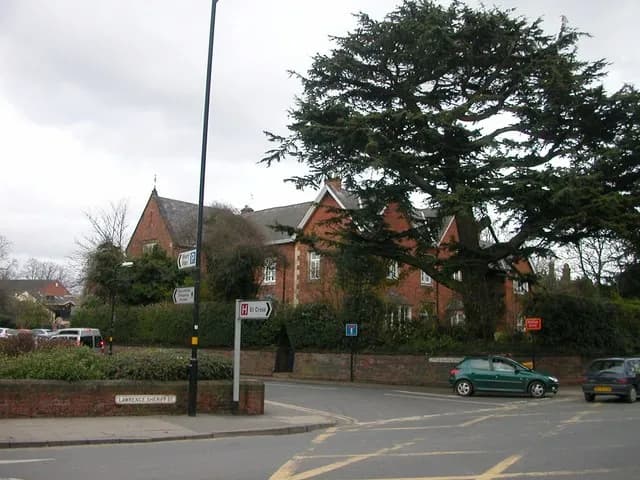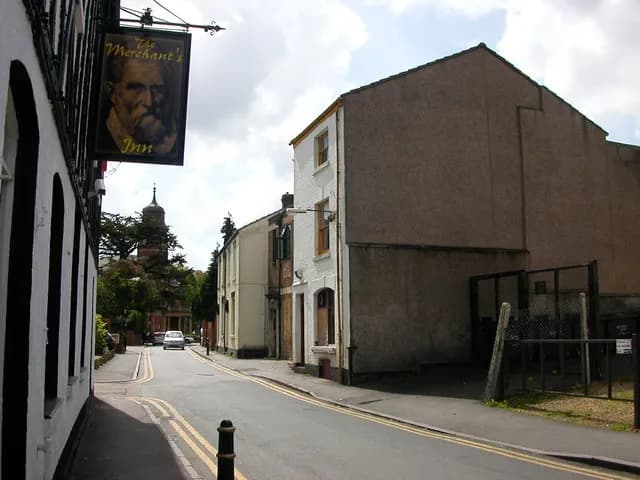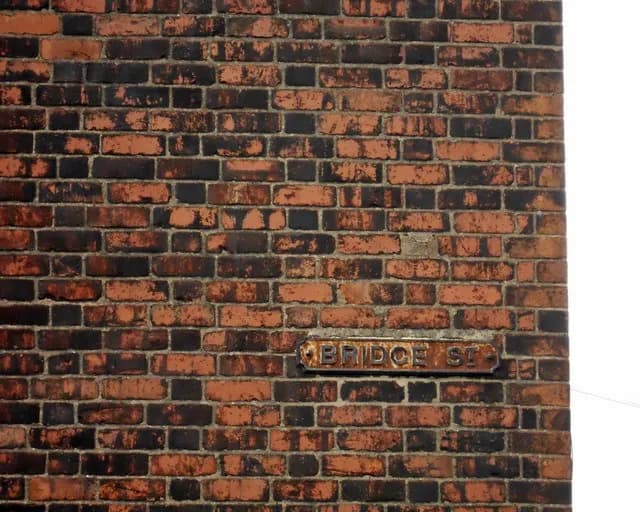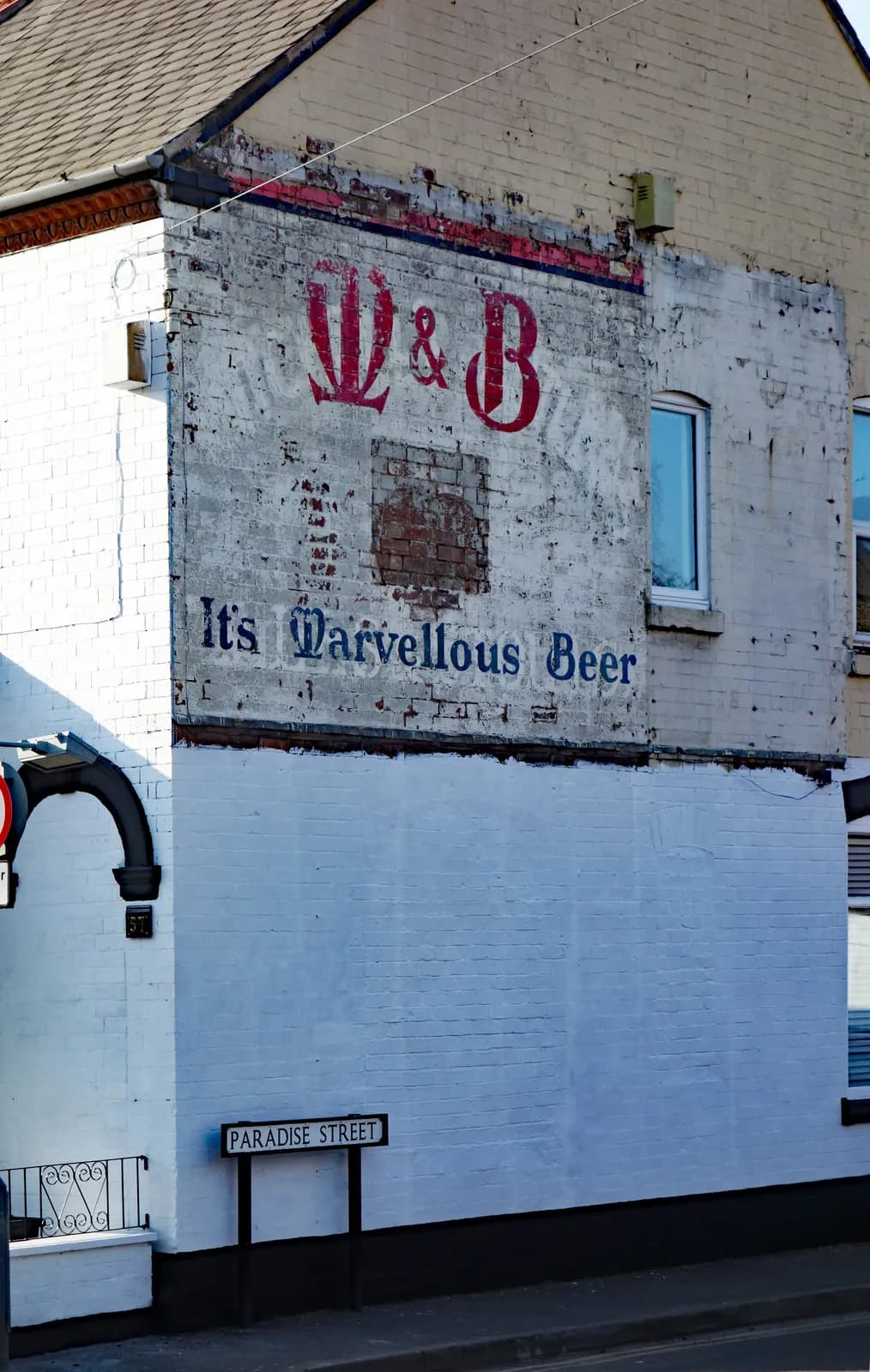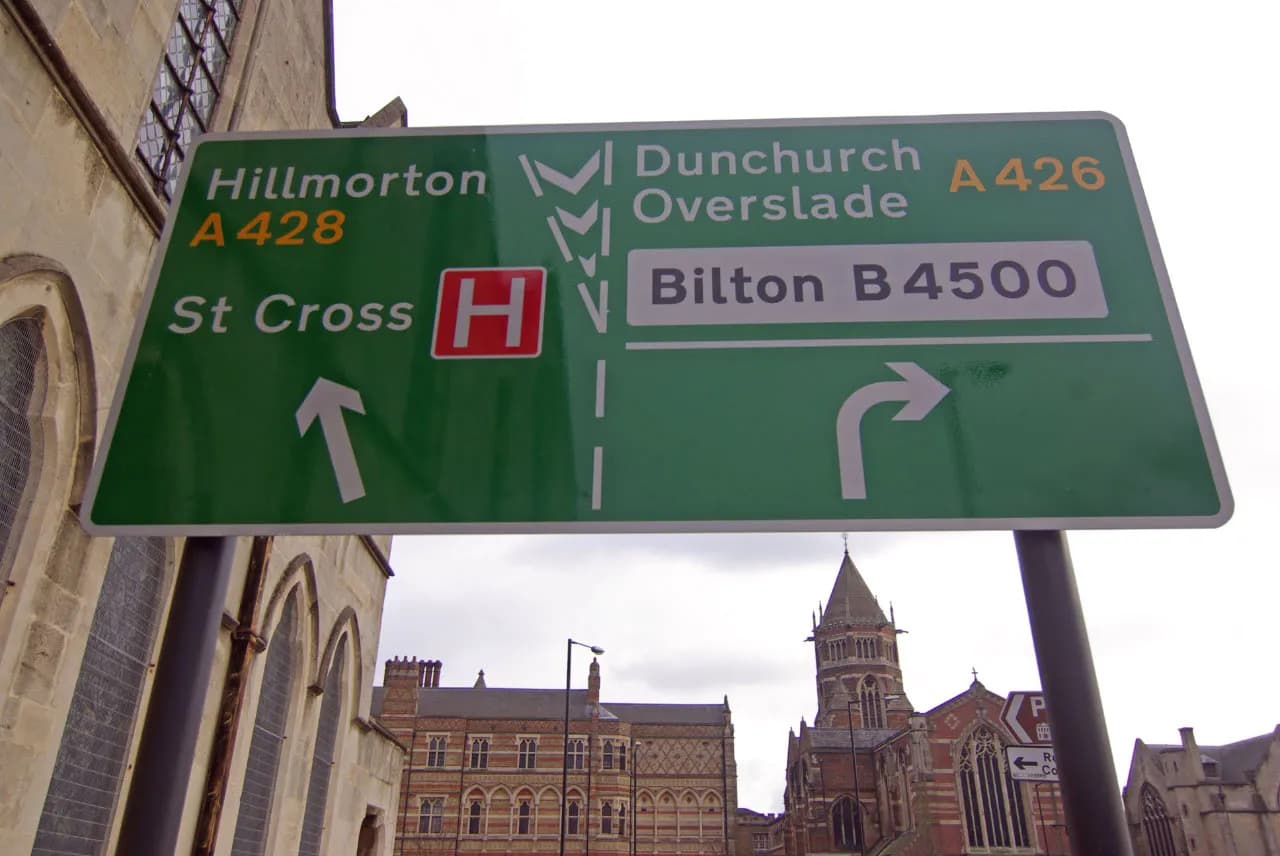
Take a walk through Rugby and it is not just the houses and parks you will notice. The names on the street signs themselves are a window into the town’s story. Behind each name, there is often a tale of history, a touch of creativity or a nod to the places and people that have defined the area.
Unlike some towns where street names appear to be chosen on a whim, Rugby’s approach is far from casual. The borough council’s street naming policy sets out clear rules: names should make sense to people who live here, link to significant local history, and most importantly, avoid confusion with similar names both in Rugby and neighbouring towns. The aim is practical as much as historical, making life easier for everyone from postal workers to emergency services. As the council’s documents remind us, each choice has a real impact right across the community [source].
Of course, even the most sensible naming rules leave room for character. If you have noticed certain areas of Rugby seem to have a theme running through their names, you are not mistaken. In some neighbourhoods, there is a clear pattern at play. Our Warwickshire highlights places like Shakespeare Gardens, where residents live along Prospero Close and Othello Road, echoing Shakespearean characters and settings. In other pockets, streets are named for well-known poets, creating a cluster of literary references all within the same estate [source].
This themed approach lends Rugby more than just a sense of unity in its layout. It reflects local pride and a conscious decision to shape new parts of the town with meaningful links, whether they are to Warwickshire’s Shakespearean heritage or to the world of English poetry.
But naming is also about continuity. The town itself has had more than one identity over the centuries. The Domesday Book recorded it as Rocheberie, before shifting through versions like Rokeby and Rookby, eventually arriving at Rugby as we know it today. These older forms leave traces, seen in street names or local references that carry the echoes of the town’s evolution [source].
Some individual streets preserve specific local links. There are roads named after historic sites, prominent families or features of the landscape that once would have been instantly familiar. Others nod to events or famous sons and daughters of the town, quietly weaving personal stories into Rugby’s everyday.
Next time you turn into a new street, pause for a moment. The name above you is likely the result of careful thought – connecting Rugby’s present to a patchwork of pasts, and creating spaces that mean a little more for everyone who lives and works here.